Finding the service balance
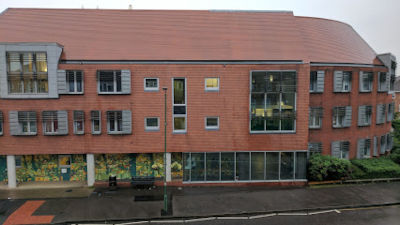
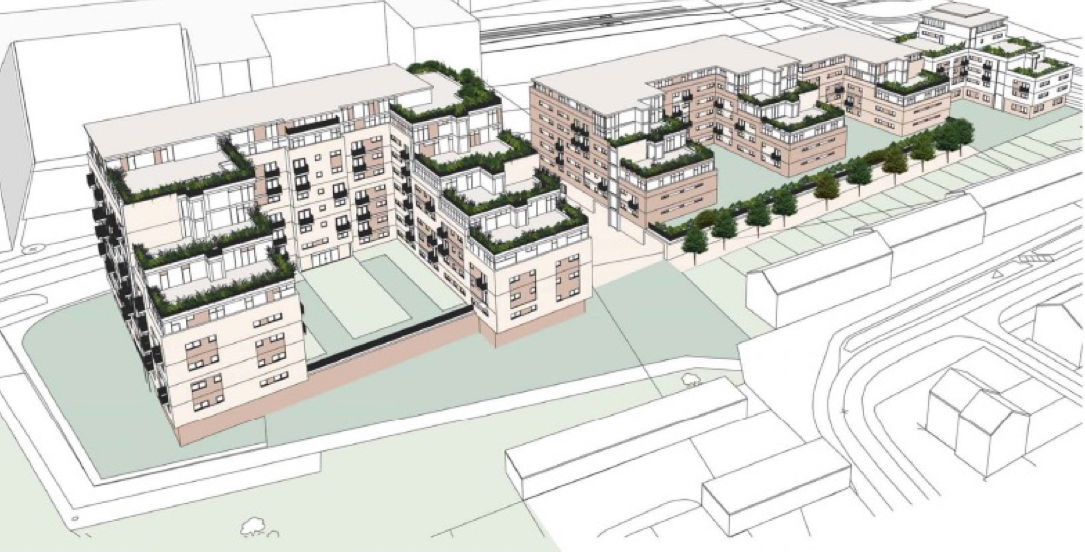
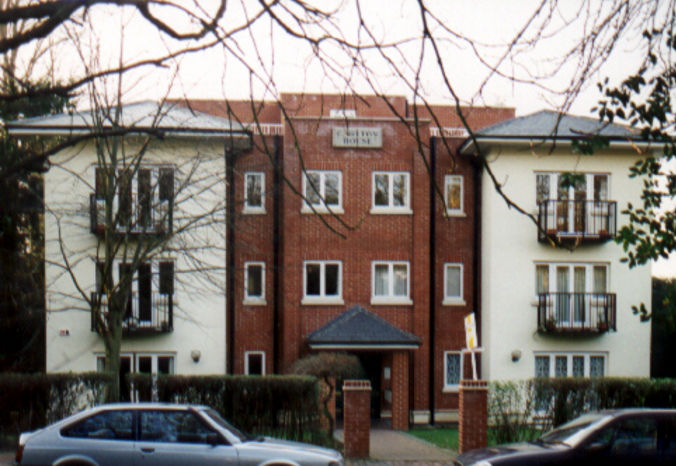
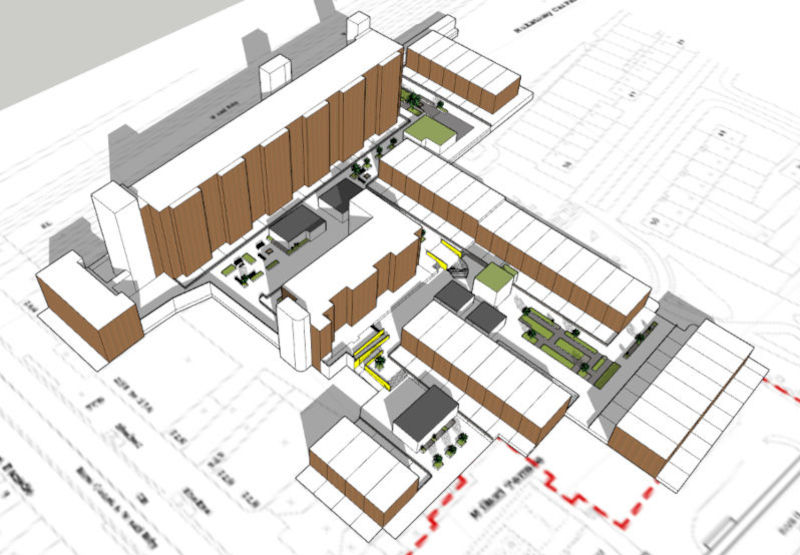
Residents can sit somewhat invisibly between the competing demands of safety and climate. This became evident when addressing landscape maintenance on a large housing estate. Some trees like sycamore, beech and ash trees can drop branches in summer in unpredictable events called Summer Branch Drop. Clearly there is a safety issue, even if the events are quite rare and risks are low, something needs to be done.
One option is to pollard them in late winter, early spring. This is the option put forward as the tree review system highlights it as a high risk. Notwithstanding that the trees host all sorts of wildlife they also provide much needed shading, especially so where the trees shade facades.
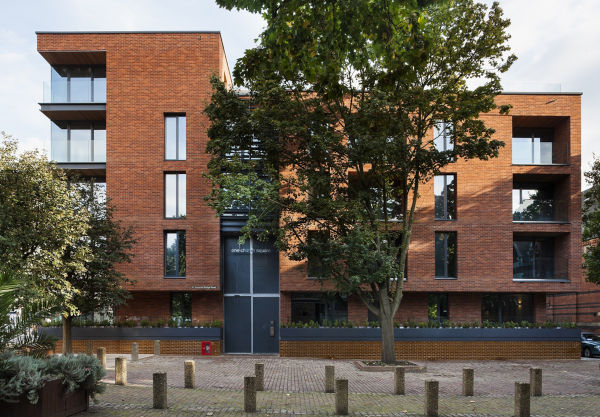
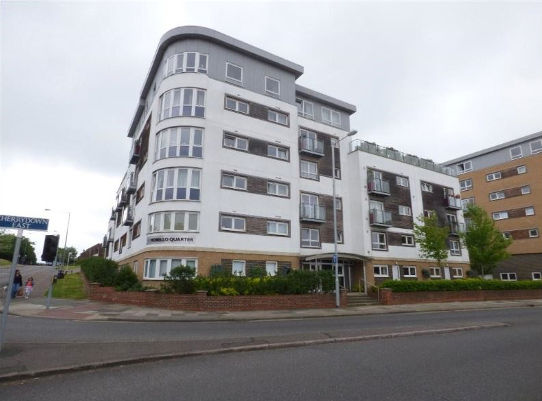
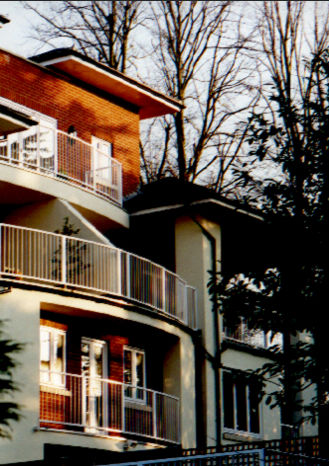
To improve insulation and upgrade homes a huge number have been fitted with double glazing using high-emissivity glass. In winter the sun warms the homes, but take away the trees and the heat gain in the summer can be extremely high making rooms uninhabitable – a health risk not acknowledged by the tree review system.
With extremely hot summers becoming the norm, something needs to be done to protect residents:
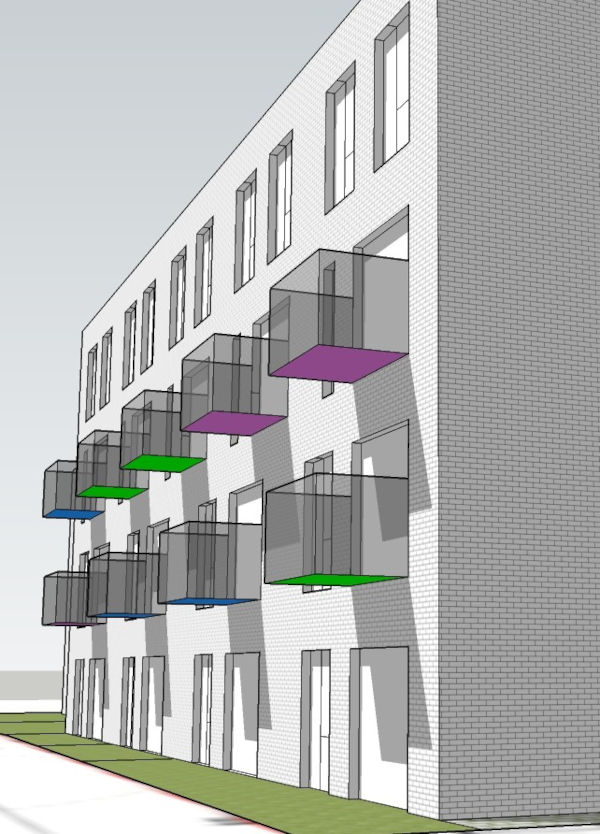
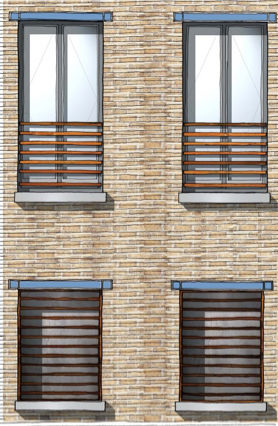
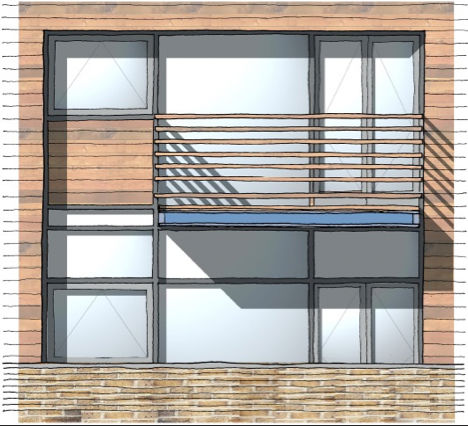
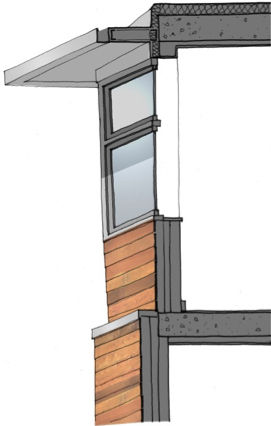
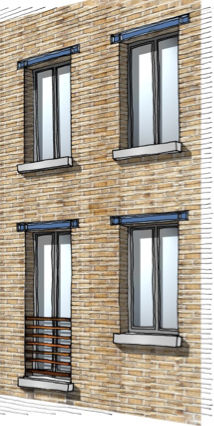
1 – Windows could be fitted with external shading managed by residents – a common feature for homes in Southern Europe. My preferred option.
2 – Replace the glass with low-emissivity glass – a costly option that means the heat gain in winter is lost and the aspect for residents changes as it looks like mirror glass and can be quite dark.
3 – Trim the trees back so that the spring growth shades the buildings and minimises the effects on homes and people.
Decisions made in isolation, can have profound effects. All areas of risk management need interconnecting so that we reach the right balance between safety, climate and the environment.
The National Tree Safety Group –https://ntsgroup.org.uk/
International Society of Arboriculture – https://auf.isa-arbor.com/content/9/4/111